ServiceNow
A community-first campaign designed to engage with purpose
Mission-driven storytelling
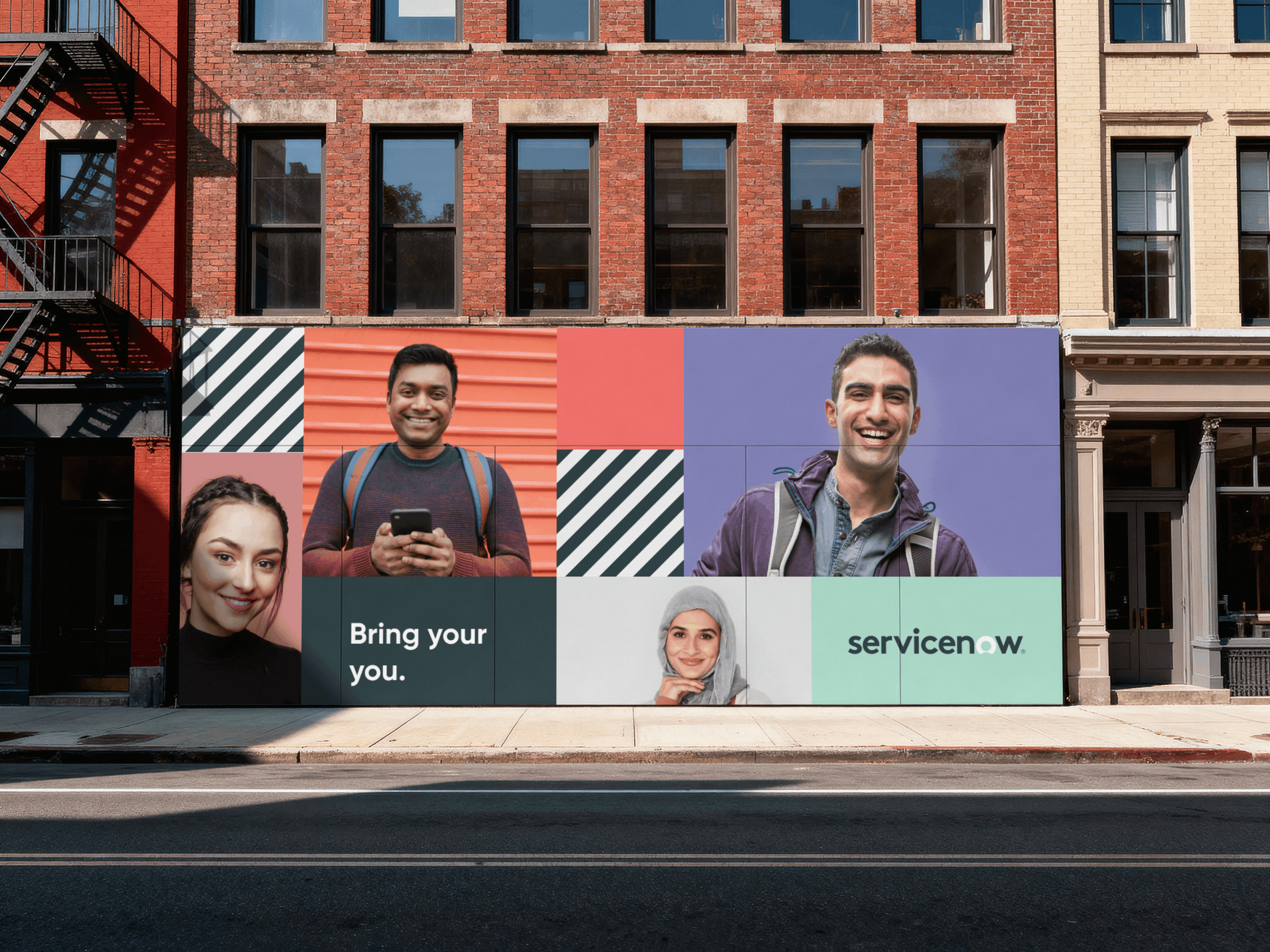
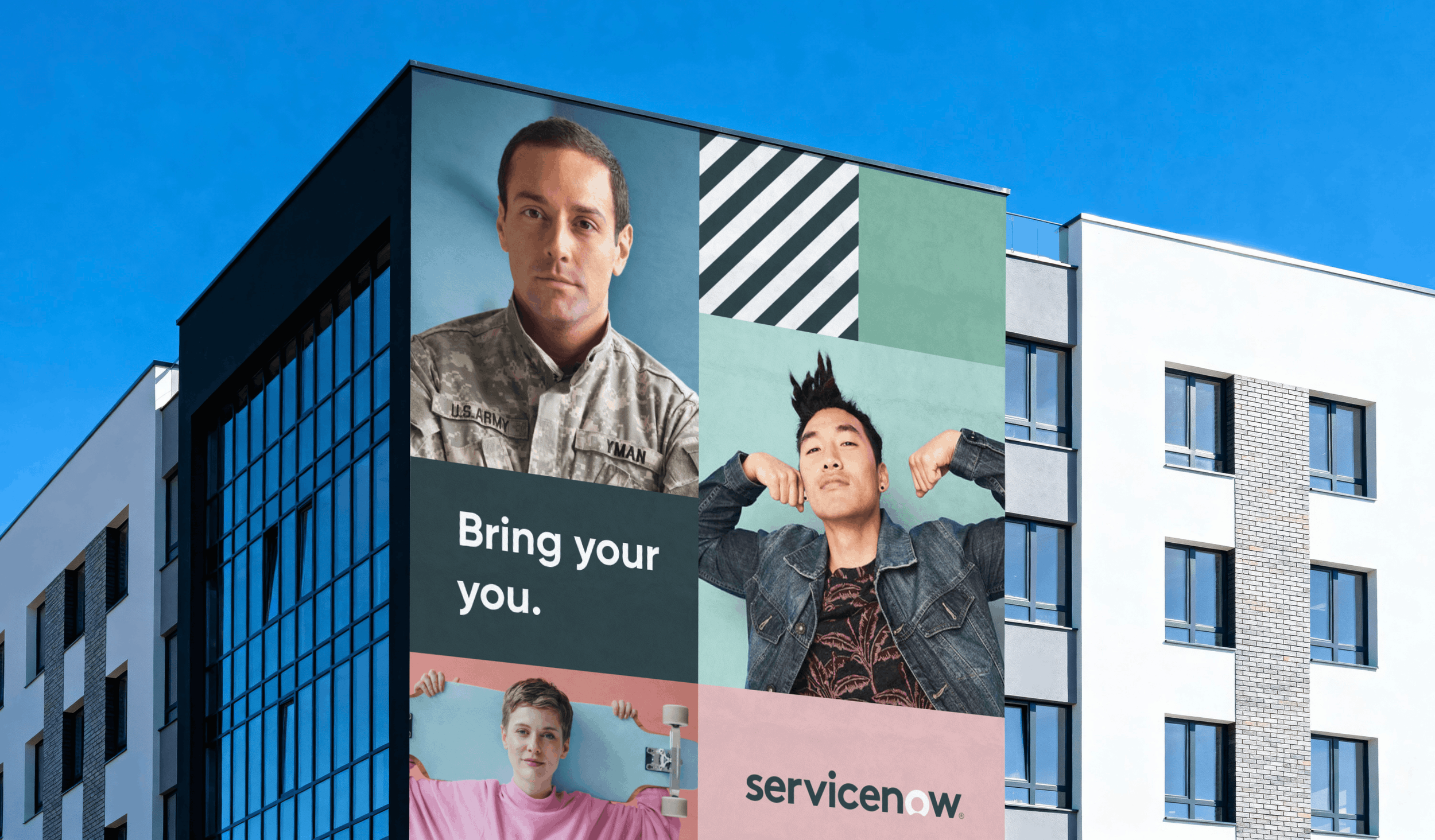
“Bring Your You” started with a simple goal: approach employer branding more like journalism—grounded in real people, real motivations, and the lived complexity of entering or re-entering the workforce. From young professionals to veterans to parents restarting careers, the goal wasn’t to define them—it was to reflect them.
The strategy was people-first. Early-career candidates aren’t just looking for a job—they’re trying to understand where they fit, who they can become, and whether they’ll be seen for who they already are. So instead of leading with aspiration alone, we focused on recognition. Creating work that felt less like marketing and more like a mirror.
ROLE: CREATIVE DIRECTOR & DESIGNER
Creative Direction
Integrated Campaign
Design System
Photography Art Direction
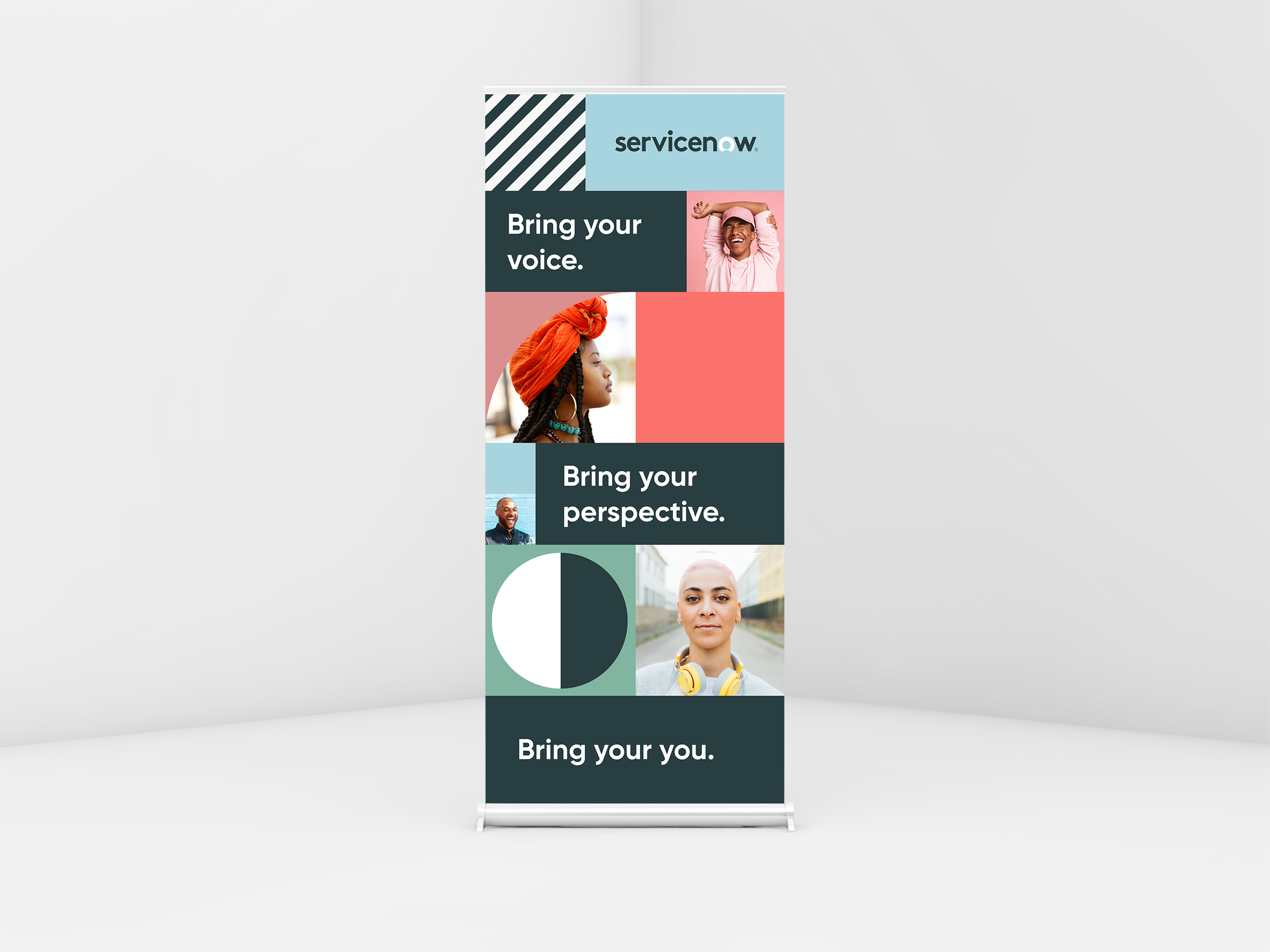
Environmental Graphics
Messaging

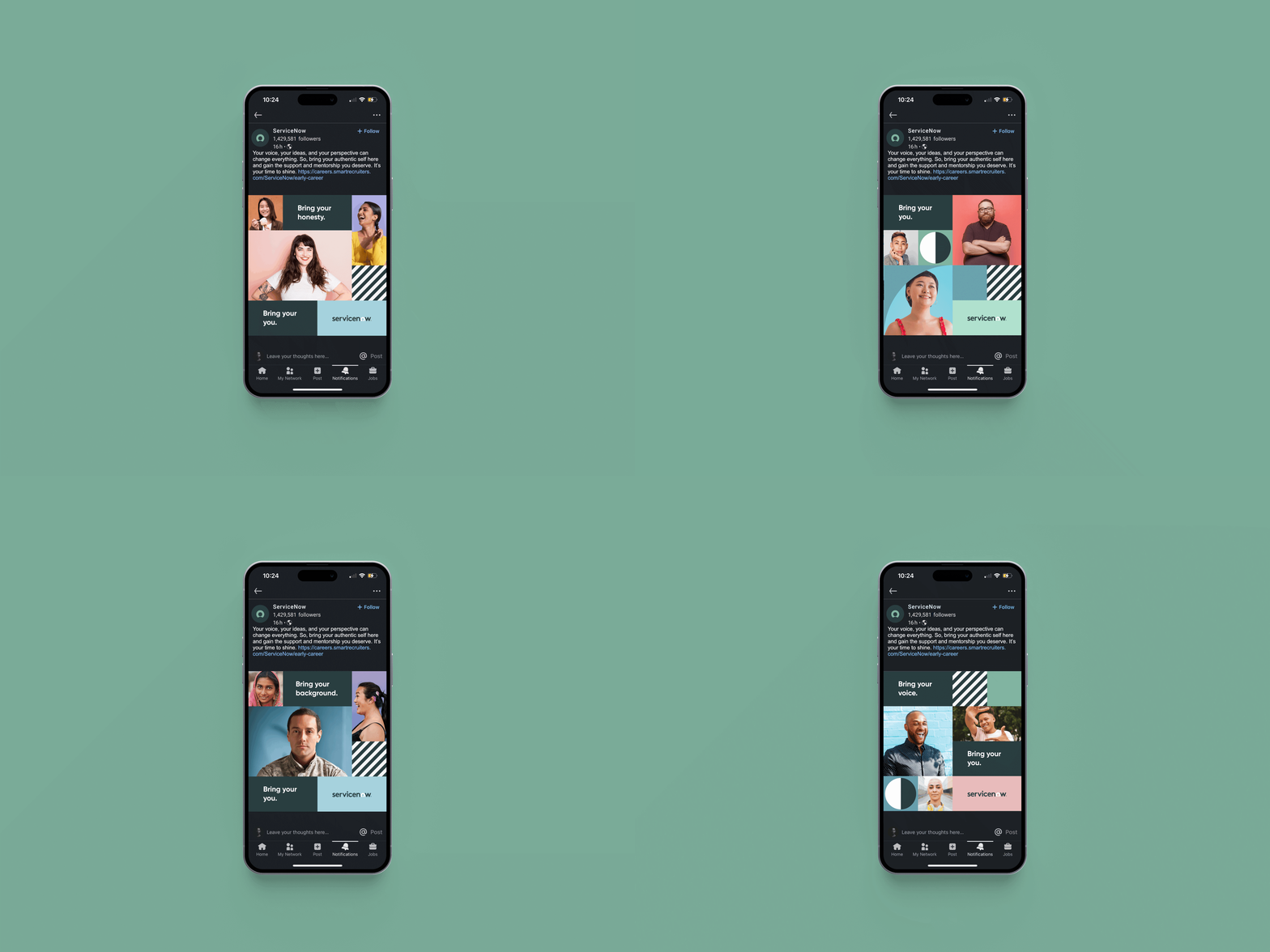
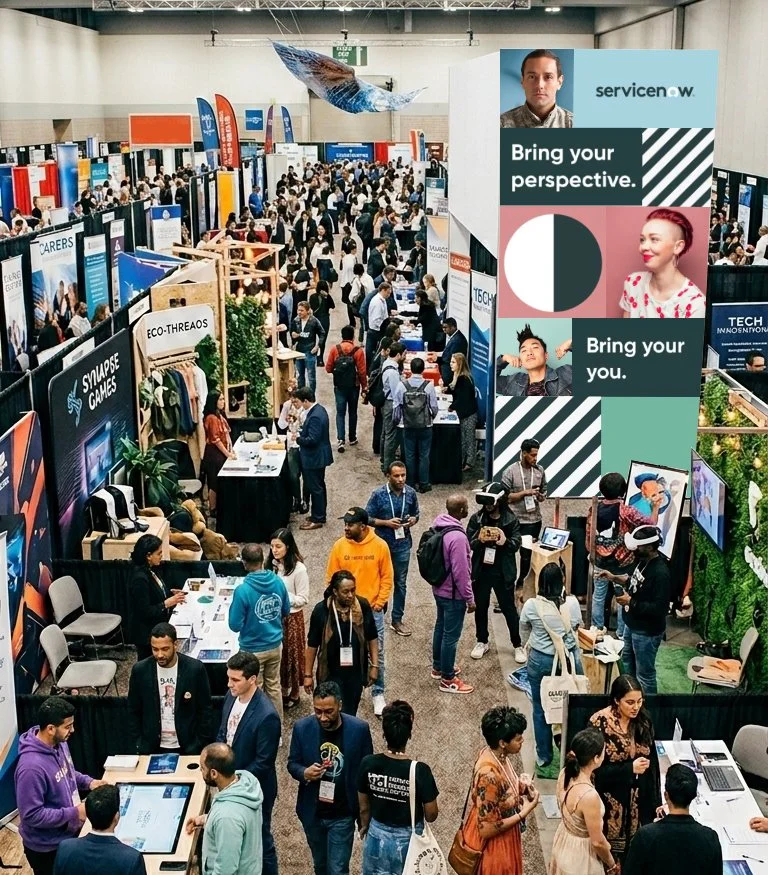
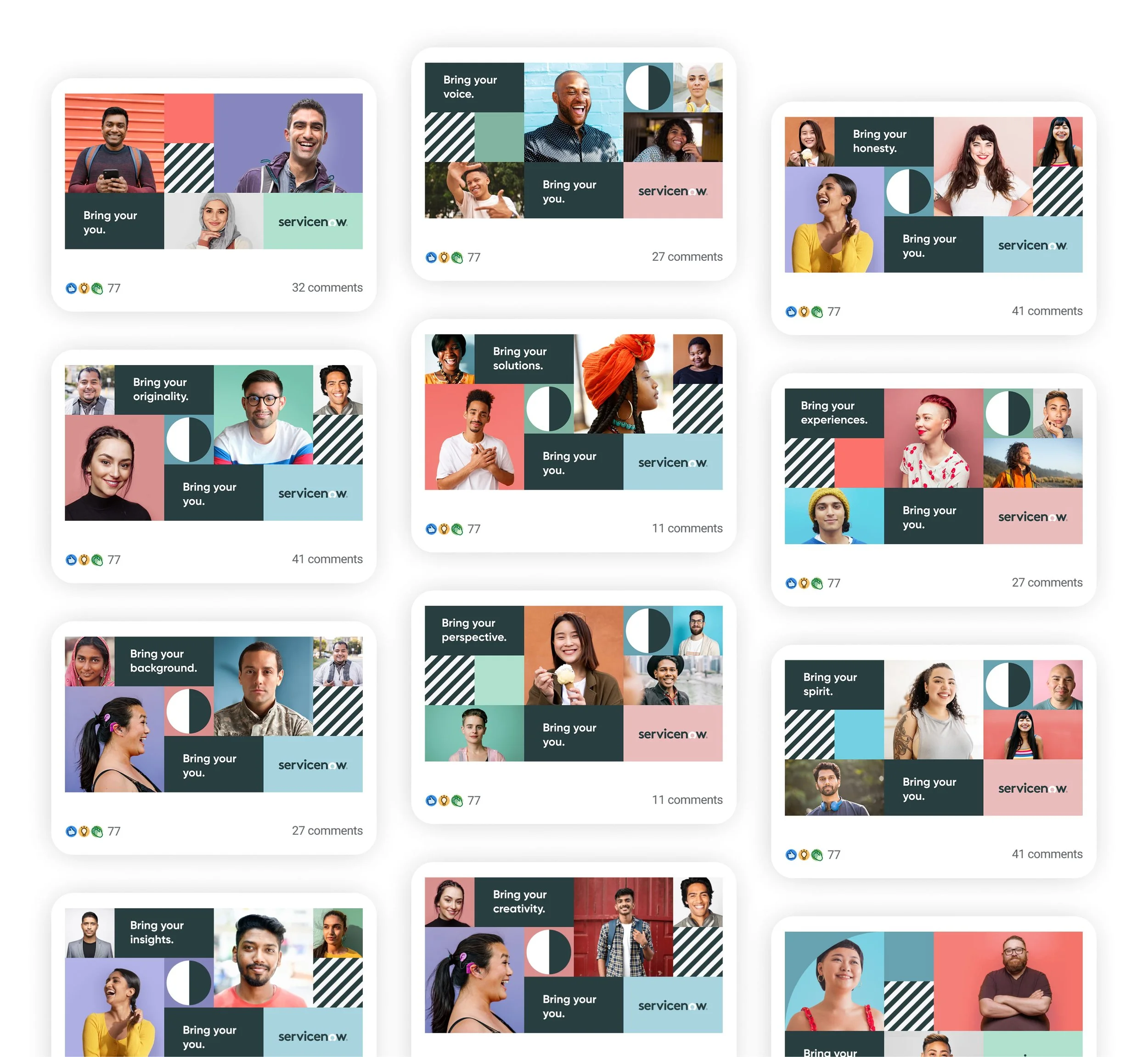
First, we humanized the existing brand grid for dynamic storytelling


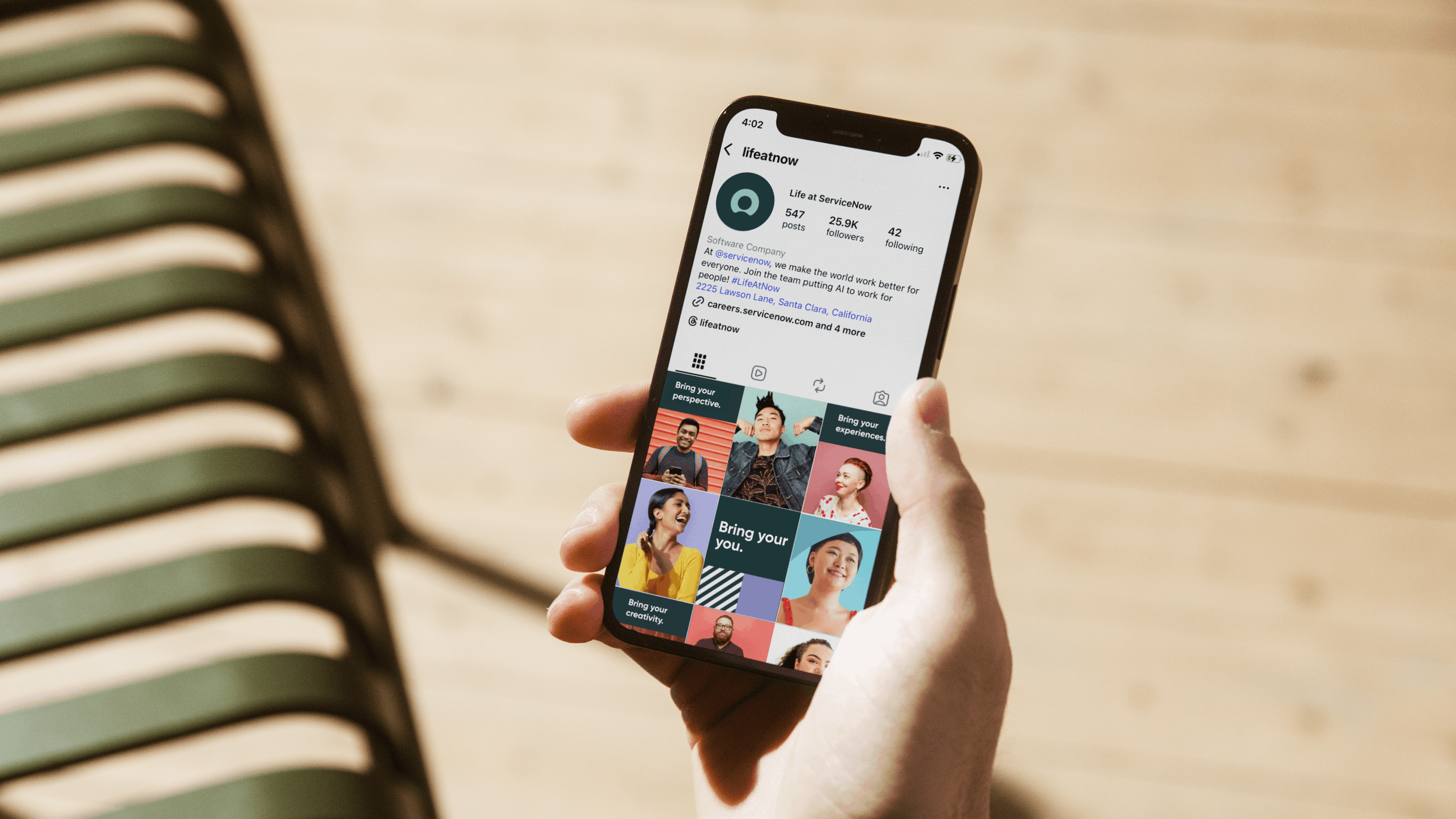
Then, we built a robust library to drive scalable brand consistency

Resourceful by design
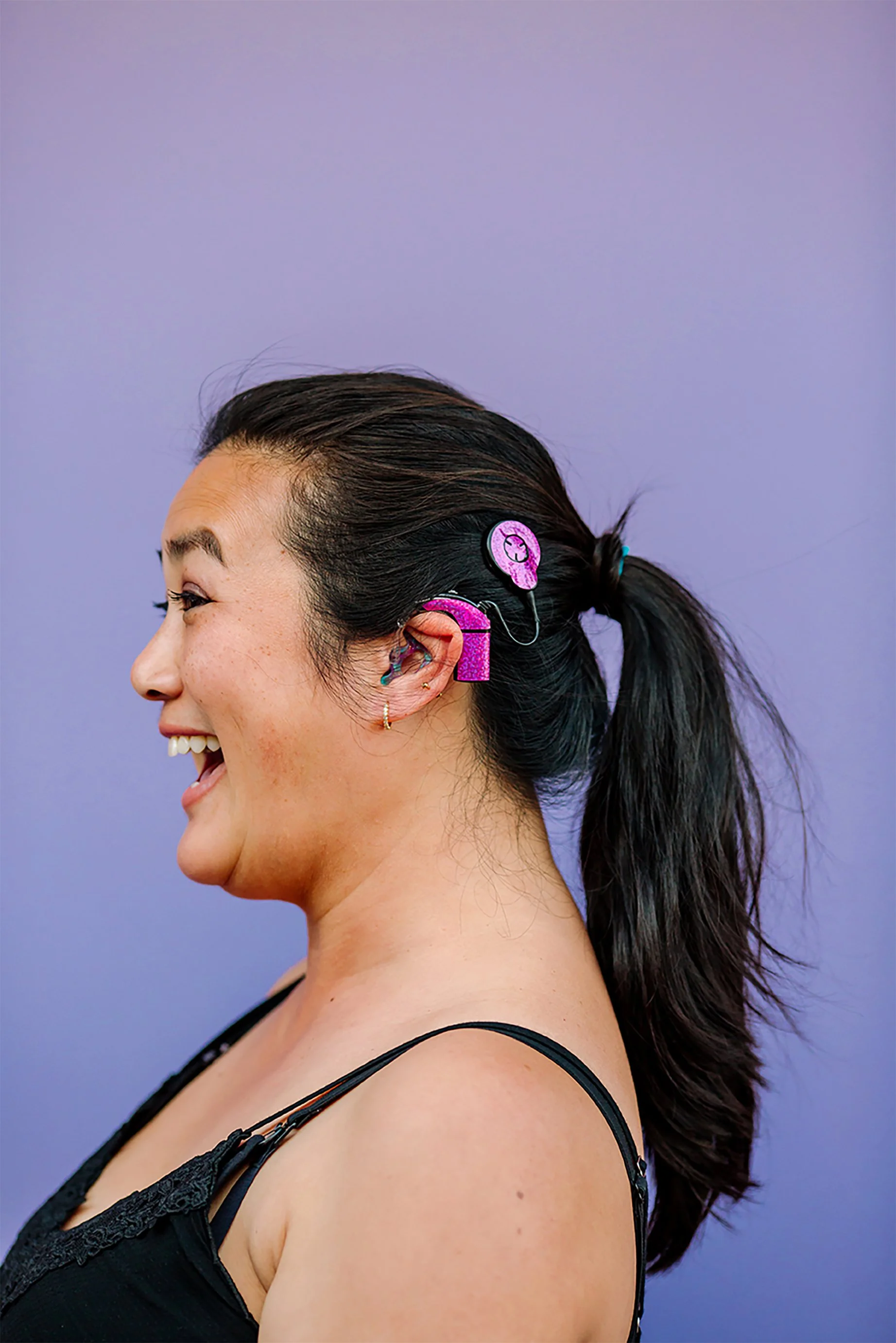
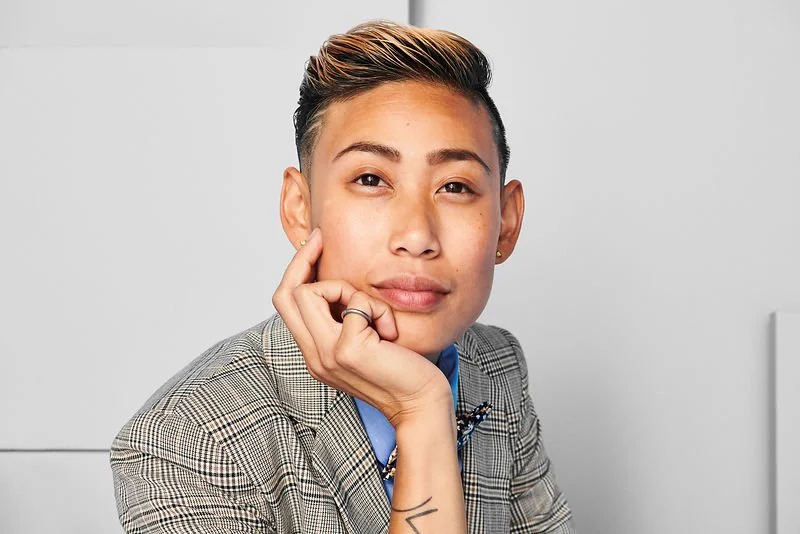
With no budget for a custom shoot, I led the team in building an editorial system rooted in curation. We approached existing talent photography and stock imagery carefully, critically, and with intention. It had to feel lived-in, specific, and emotionally honest.
This wasn’t about diversity as a checklist. It was about capturing a range of identities, experiences, and moments that people could actually see themselves in. The result was a visual language that felt grounded and human.











From insight to execution
As creative lead, I set the vision and partnered with the team to protect our story at every step. We weren't just designing for cohesion; we were designing for credibility. We positioned ServiceNow as a space where people could find their place in the world of work—not by transforming into someone new, but by showing up exactly as they are. In a category obsessed with polish, we chose honesty. And that made all the difference.